Making a drama film is like holding a mirror up to life and hoping you catch something true. “The Existence” was my attempt to explore grief, identity, and what it means to keep going when everything falls apart. After 22 shooting days and more emotional exhaustion than I knew was possible, we wrapped last month. Here’s what the journey looked like.
Writing to Shooting
I wrote the script two years ago during a particularly dark period in my life. It’s the story of a woman navigating the first year after her partner’s death, told through fragmented memories and quiet moments of survival. When we finally got our modest financing together, I was terrified that what felt raw on the page would feel manipulative on screen.
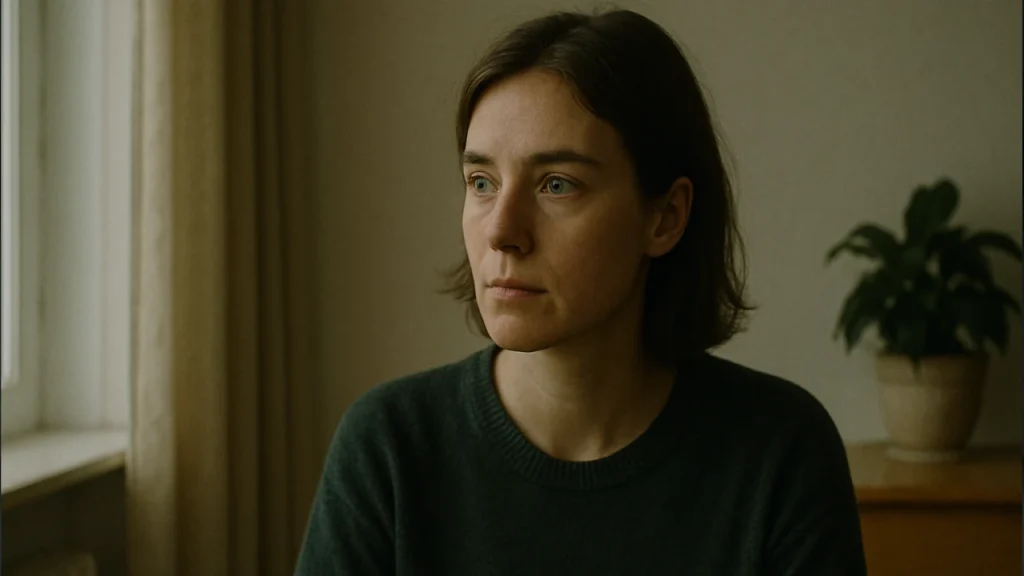
The key was finding the right lead. After months of casting, we found Maya, an actress who understood that grief isn’t performative. It’s in the pauses, the way someone holds a coffee cup, the moments when they forget to pretend they’re okay. Our first rehearsal, she cried reading a scene, then immediately apologized. I told her that’s exactly what we needed—permission to feel everything.
The Intimate Crew
We kept the crew intentionally small. Twelve people total. For the most vulnerable scenes, we stripped it down to just myself, our DP, and the actors. Drama lives in the space between people, and you can’t capture intimacy with thirty crew members standing around.
We shot mostly on location in real homes, real streets, real diners at 2 AM. There’s a scene where Maya’s character sits alone in a laundromat, and we shot it in an actual 24-hour laundromat in Brooklyn. The fluorescent lighting, the hum of the machines, the occasional stranger walking in—it all added texture we couldn’t have manufactured on a set.
Directing Performance
The hardest part of making a drama is protecting your actors while pushing them to vulnerable places. We’d shoot the emotional scenes first thing in the morning when everyone was fresh but guards were down. I learned to recognize when Maya needed a moment versus when she needed to push through.
There’s a scene where her character breaks down in her car. We did eleven takes. The first few were technically perfect but emotionally safe. Take seven was devastating, but a plane flew overhead. Take nine was it—raw, honest, almost uncomfortable to watch. That’s the take in the film.
Finding the Truth
Drama doesn’t have explosions or special effects to hide behind. Every frame has to justify itself. Every line of dialogue has to sound like something a real person would actually say. We rewrote scenes on set when they felt false. We cut dialogue when silence said more.
Post-Production Clarity
In the edit, we removed almost all the music I’d originally planned. The film breathed better in quiet. We let scenes run longer than conventional wisdom suggested. We trusted that if the performances were honest, audiences would stay with us.
Why This Matters
“The Existence” isn’t a big film, but it’s the most honest thing I’ve ever made. It’s about the small, unglamorous work of continuing to exist when you’re not sure why. I hope it reaches people who need to see it.
We’re submitting to festivals now. Whatever happens, I’m proud of what we created.