They say you make a film three times: when you write it, when you shoot it, and when you edit it. After spending four months in the editing suite with “The Sci-fi Hero,” I can confirm that the third version is where the real movie finally revealed itself.
The Assembly
We wrapped principal photography with 47 hours of footage. Watching that first assembly cut at three hours and twenty minutes was both exhilarating and terrifying. Every scene we’d fought to get on set was there, but the story was drowning in its own ambition. My editor Sarah and I looked at each other and knew we had months of surgery ahead.
Finding the Story
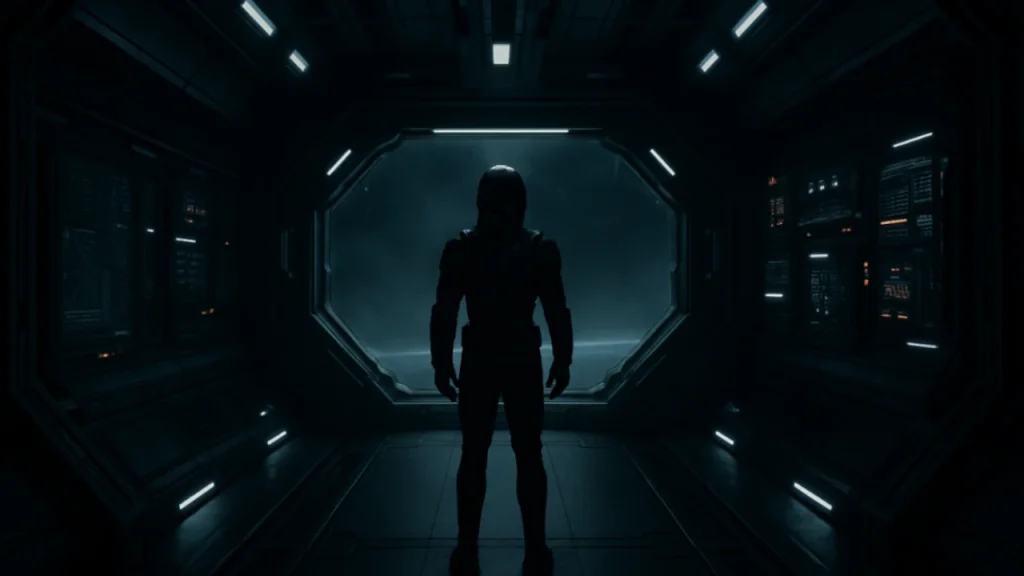
The biggest challenge with sci-fi is balancing world-building with character development. We had gorgeous sequences explaining the technology of our dystopian world, but they killed the pacing. One of our most painful decisions was cutting an entire eight-minute sequence that explained the hero’s origin in detail. It was beautifully shot, but the film worked better when we trusted the audience to piece things together.
We restructured the entire second act three times. The breakthrough came when we stopped thinking about it chronologically and started thinking about emotional momentum. We moved a key revelation from the midpoint to the end of act one, and suddenly everything clicked into place.
The VFX Dance
Editing a sci-fi film means working with temp VFX for months. We’d mark sections with placeholder graphics, colored boxes representing spaceships, and green screens that would eventually become alien landscapes. It’s like editing half a movie blindfolded. You have to trust your instincts about timing and rhythm when you can’t see the final image.
Our VFX team worked in parallel, sending us updated shots every week. Sometimes a finished VFX shot would come back and we’d realize it needed to be two seconds shorter, which meant going back to the VFX artists and adjusting. It’s an iterative process that requires patience and clear communication.
Sound as Storytelling
Sound design became crucial in the edit. Our sound designer started working early, creating the sonic signature of our world. The hum of the hero’s tech, the ambience of the underground city, the otherworldly score—all of this influenced our editing decisions. We’d trim shots to let sound breathe, or extend moments to maximize tension through audio.
The Final Push
After our first test screening, we cut another 18 minutes. Every filmmaker thinks their movie needs every frame, but audiences don’t lie. The tighter cut played so much better. We locked picture at 94 minutes, and honestly, it felt like saying goodbye to a part of myself.
Lessons from the Suite
Editing taught me that filmmaking is really about knowing what to leave out. Every cut is a choice, and sometimes your best work is invisible—it’s what you remove, not what you keep.
“The Sci-fi Hero” premieres next month. I can’t wait for you to see what survived the edit.